How to Get More Customers for Restaurants
Filling seats is harder than ever for independent restaurants, but most owners are leaving the easiest wins untouched.
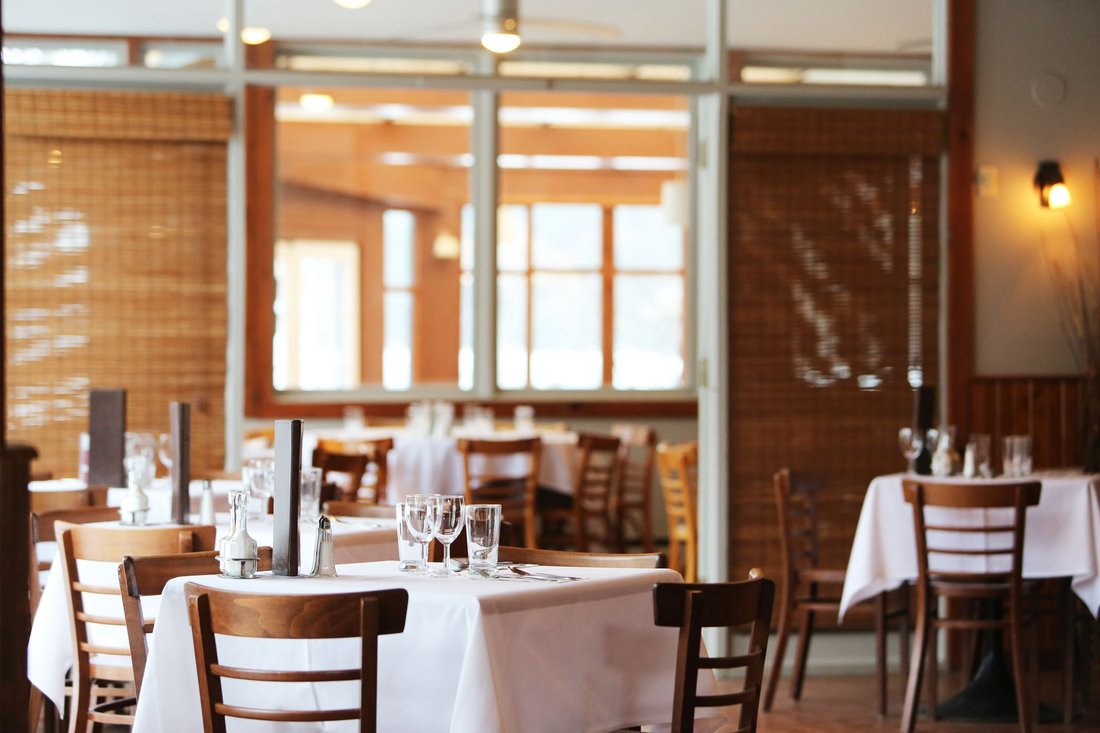
The table by the window has been empty every Tuesday for six months. The owner knows this. She's tried a lunch special, posted about it on Instagram, even handed out flyers. Nothing sticks. What she hasn't done is look at why Tuesday is slow in the first place, or use the tools sitting right in front of her to fix it systematically. That gap between effort and outcome is where most independent restaurants live, and it's costing real money.
The good news: most of the levers that actually move the needle cost almost nothing to pull. The bad news: they require consistency, not just one good week of effort.
The Real Answer to How to Get More Customers for Restaurants
Start with the thing that sends customers to you before they've ever tasted your food: your Google Business Profile. When someone searches "Italian restaurant near me" on a Thursday night, Google's local pack is what they see first. If your profile is incomplete, has wrong hours, or shows a photo of your storage room, you lose that customer to the place down the street that has hundreds of reviews and a picture of their pasta.
Claiming and fully completing your profile takes about an hour. Fill in every field: hours (including holiday exceptions), phone, website, menu link, and the short business description. Upload at least a dozen photos of your best dishes, the dining room during service, and the exterior. Google rewards profiles that look maintained. Setting up your Google listing correctly is among the highest-return hours you'll spend on marketing this year.
Reviews: The Part Most Owners Handle Wrong
Restaurants with more reviews tend to rank higher and convert more visitors into actual diners. The catch: most owners either ignore reviews entirely or respond only when they're angry. Neither approach builds anything.
The honest way to get more reviews is to ask for them directly, at the right moment. That moment is when a table is clearly happy, after someone says "this is the best pizza I've had in years," not during the check drop when people are thinking about their wallets. Train your staff to mention it: "If you enjoyed the meal, a Google review would mean a lot to us." A QR code on the check presenter that links straight to your Google review page removes friction.
Never offer incentives for reviews. Google's policies prohibit it, and it tends to produce reviews that read fake because they are. Respond to every review, positive and negative, within a few days. A gracious, specific response to a critical review often impresses potential customers more than a perfect rating does.
Your Regulars Are Already Your Best Marketing
A customer who visits once a month and brings a friend twice a year is worth more than any paid ad. Most restaurants do almost nothing to identify, track, or reward these people.
You don't need a complicated loyalty app. A simple email or SMS list, collected at the point of reservation or through a sign-up card at the host stand, gives you a direct line to your best customers. Use it to send a genuine note about a new seasonal dish, a slow-night special, or an early reservation window for a holiday. Keep the list to one message every two or three weeks. People will unsubscribe if you send too often, but they'll stay if the messages feel like they're from the restaurant they actually like.
OpenTable, Resy, and similar reservation platforms let you add notes to guest profiles. Use them. When a regular comes back, knowing they prefer a corner table or ordered the duck last time costs you nothing and creates the kind of experience people tell their friends about.
Slow Nights Are a Solvable Problem
Tuesday is slow at most restaurants. So is Sunday lunch. Trying to turn a slow night into a busy one with generic social posts rarely works. What does work:
- A fixed-price menu on slow nights that offers real value. Not a discount that looks desperate, but a curated two- or three-course option that makes the decision easy.
- Partnering with a local business nearby. A wine shop, a bookstore, a yoga studio, whoever has a regular customer base that overlaps with yours. A joint promotion ("buy a class, get a discount on dinner this week") reaches people who already live in your neighborhood and haven't tried you yet.
- Hosting a recurring low-key event: a monthly prix-fixe around a single ingredient, a local musician playing quietly in the corner, a trivia night if your space allows it. Regulars will plan around it and bring new people.
Photos That Actually Sell Food
Bad food photography is worse than no food photography. A blurry, orange-tinted shot of your signature dish posted on Instagram tells potential customers that you don't take your own food seriously.
You don't need to hire a professional every month. A modern smartphone, natural light (near a window, not under your dining room fixtures), and a clean plate that isn't overstacked will get you most of the way there. Shoot your top four or five dishes properly once, and those images will work across your Google profile, your website, and any social posts for months.
On social media, the restaurants that grow their following are the ones that post consistently and authentically: behind the scenes of prep, or the story of a dish and the farmer behind its produce. That kind of content builds a relationship that a promotional post never does. A focused social approach beats a scattered one every time.
Third-Party Delivery: Take It Carefully
Platforms like DoorDash, Grubhub, and Uber Eats put your restaurant in front of customers who might never find you otherwise. They also take a significant commission, often 20 to 30 percent per order, which can turn a profitable dish into a money-losing one if you haven't done the math.
If you use them, treat them as customer acquisition, not ongoing revenue. The goal is to get someone to order from you once through the platform, then convert them into a direct customer. Include a note with every delivery order, something like a card with your website and a small offer for their next dine-in visit. It doesn't always work, but it converts often enough to be worth the effort.
Review your menu on these platforms regularly. Remove items with thin margins, raise prices where you can absorb the commission, and consider whether the volume justifies the fee on slow days.
The One Commitment That Ties It Together
None of these tactics work as a one-time effort. The restaurants that grow consistently are the ones that treat marketing like they treat their kitchen, with real systems and steady accountability. Assign one person, even part-time, to own the Google profile, respond to reviews, and send the monthly email. Block thirty minutes every Friday to post two photos from the week.
The empty Tuesday table doesn't fill itself. But it will fill faster than you think once you stop looking for a single fix and start building the small habits that compound over time.
Lawsuit or bad press outranking your business?
Knownly publishes truthful, search-optimized content across high-authority sites to push negative results off page one — done for you.
See how Knownly works →