How to Get More Customers for Coffee Shops
The morning rush takes care of itself. The real growth work happens in the slow hours, the loyalty math, and the block around you.
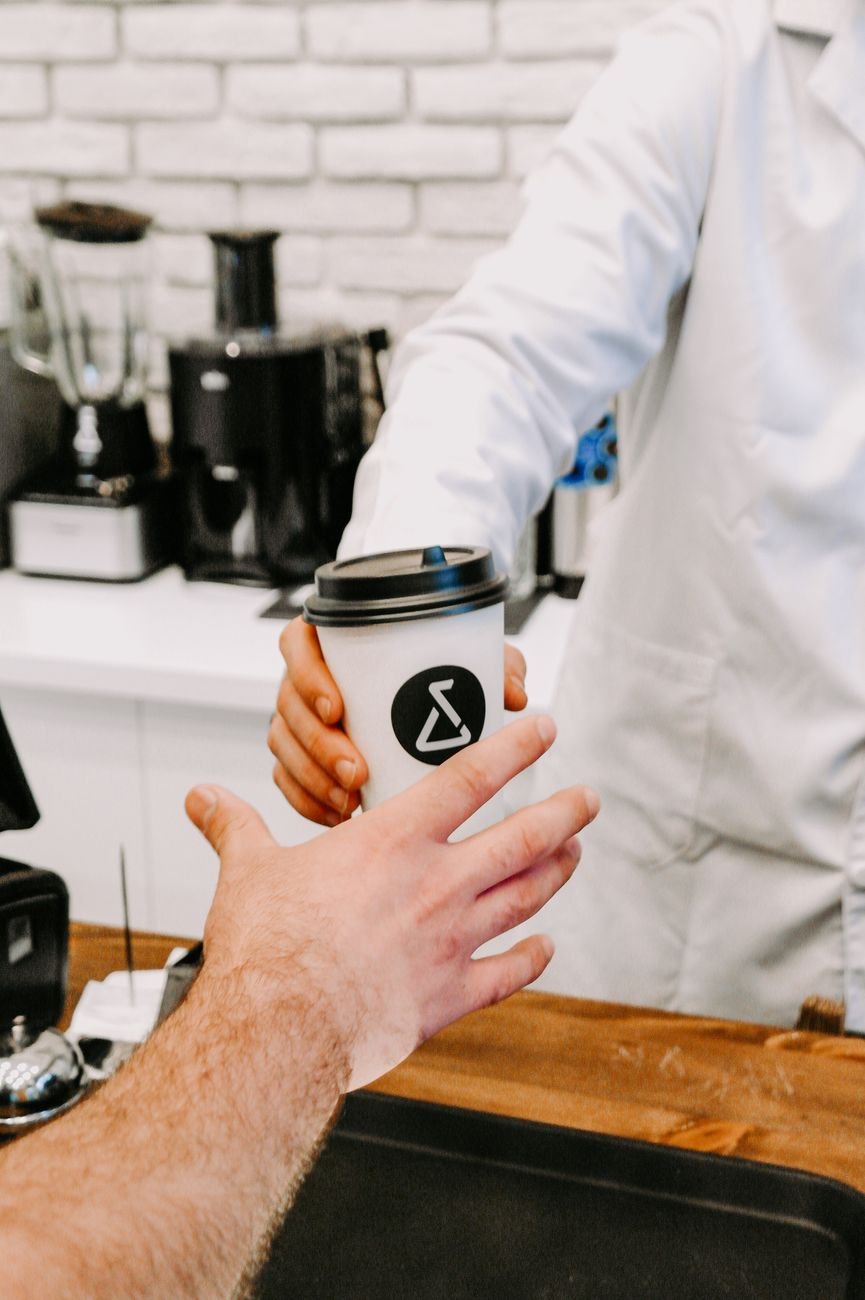
The line at most coffee shops forms twice a day and empties out in between. Between 7 and 9 in the morning, people order on autopilot, grab their cup, and leave. By 2 p.m. the tables sit half full, the espresso machine goes quiet, and rent keeps running whether anyone walks in or not. Owners who figure out how to get more customers for coffee shops usually start by staring at that gap instead of the morning rush, because the rush already takes care of itself.
Growth here rarely comes from a single clever campaign. It comes from stacking small, repeatable habits that make a shop easier to find, easier to return to, and more woven into the daily routine of the people who already live or work nearby.
How to Get More Customers for Coffee Shops Starts With the Slow Hours
Every shop has a dead zone. For most it's the early afternoon, after lunch traffic fades and before the after-school and after-work crowd shows up. That stretch is where new revenue actually lives, because the fixed costs of rent, staff, and equipment are already covered by the morning. A shop that adds even a modest number of afternoon regulars is adding pure upside.
Some tactics that work in that window:
- A standing afternoon offer, like a discounted pastry-and-drink pairing, promoted only on social media and in-store signage so it doesn't cannibalize morning pricing.
- Free wifi and outlets positioned as an actual selling point, not an afterthought, for remote workers and students who need a second office for two hours.
- A rotating single-origin or seasonal drink introduced midweek, giving regulars a reason to check in even when nothing else has changed.
Get Found Before You Get Chosen
Nobody can walk in the door if they can't find the door. A complete, accurate Google Business Profile is the single highest-leverage thing a coffee shop can maintain: correct hours, real photos taken inside the shop, a current menu, and prompt replies to reviews. People search for coffee on their phones while they're already moving, and the shops that show up with hours, distance, and a few recent photos win that decision before the customer ever sees the storefront.
Reviews matter more than most owners want to admit, but chasing five-star ratings with incentives backfires and violates platform rules. The better approach is simpler: ask happy regulars directly, respond to every review within a day or two, and treat a bad review as a chance to show how the shop handles a problem. That response is public and future customers read it. Beyond Google, showing up when someone nearby searches for coffee also means keeping listings consistent across Yelp, Apple Maps, and any neighborhood app the local chamber of commerce runs.
Give Regulars a Reason to Keep Score
A loyalty program only works if it's frictionless. Punch cards get lost. Apps that require a download for a five-dollar coffee often lose more customers at the signup step than they gain in repeat visits. The programs that actually move traffic tend to be tied to the point-of-sale system already in use, so a phone number or a tap of a card is the entire enrollment process.
What matters more than the mechanics is the reward structure. A free drink after ten purchases is fine, but a program that recognizes a customer by name on visit three does more for retention than any punch card. Baristas who remember a regular's order create the kind of habit loop that discounts can't buy. That's worth training staff around directly, not leaving to chance.
Partner With the Businesses Already Near You
A coffee shop doesn't compete only with other coffee shops. It shares a block with a gym, a coworking space, a dentist's office, a yoga studio. Cross-promotion with those neighbors costs nothing but a conversation. A gym that hands out a punch card good for a discounted post-workout drink sends foot traffic in exchange for the shop displaying the gym's flyers. A local bookstore that hosts a monthly reading can co-market an evening event with drinks provided by the shop.
Wholesale relationships work the same way in reverse. Supplying coffee to a nearby office, a coworking space, or a small hotel builds a second revenue stream and puts the shop's name in front of people who might not otherwise walk past it. This kind of grassroots, word-of-mouth partnership compounds slowly but rarely stops paying off once it's built.
Turn the Shop Into a Reason to Show Up
Events give people a reason to visit outside their normal routine. A latte art class on a slow Tuesday night, a live acoustic set on a Friday, a trivia night run with a local nonprofit: none of these require a large budget, and all of them turn a transactional stop into a place with a social pull. Even a simple community bulletin board by the register, where neighbors post flyers for lessons, lost pets, and yard sales, keeps people walking in just to look.
Seasonal tie-ins matter too. A back-to-school study hour with extended outlet access, a holiday gift card push timed to when people are already shopping locally, a summer cold brew tasting: these work because they attach the shop to a moment already happening in the neighborhood rather than asking customers to create a new occasion out of nothing.
None of this is about a single big idea. It's about a shop that shows up correctly online, remembers its regulars by name, fills its slowest hour with something worth walking in for, and treats the businesses next door as allies instead of scenery. Do those four things consistently for a season and the customer count moves on its own.
Lawsuit or bad press outranking your business?
Knownly publishes truthful, search-optimized content across high-authority sites to push negative results off page one — done for you.
See how Knownly works →