How to Get More Customers for Dentists
New patients rarely come from a billboard or a clever slogan. They come from what your front desk does today, who searches Google tonight, and which lapsed patients you decide to call back.
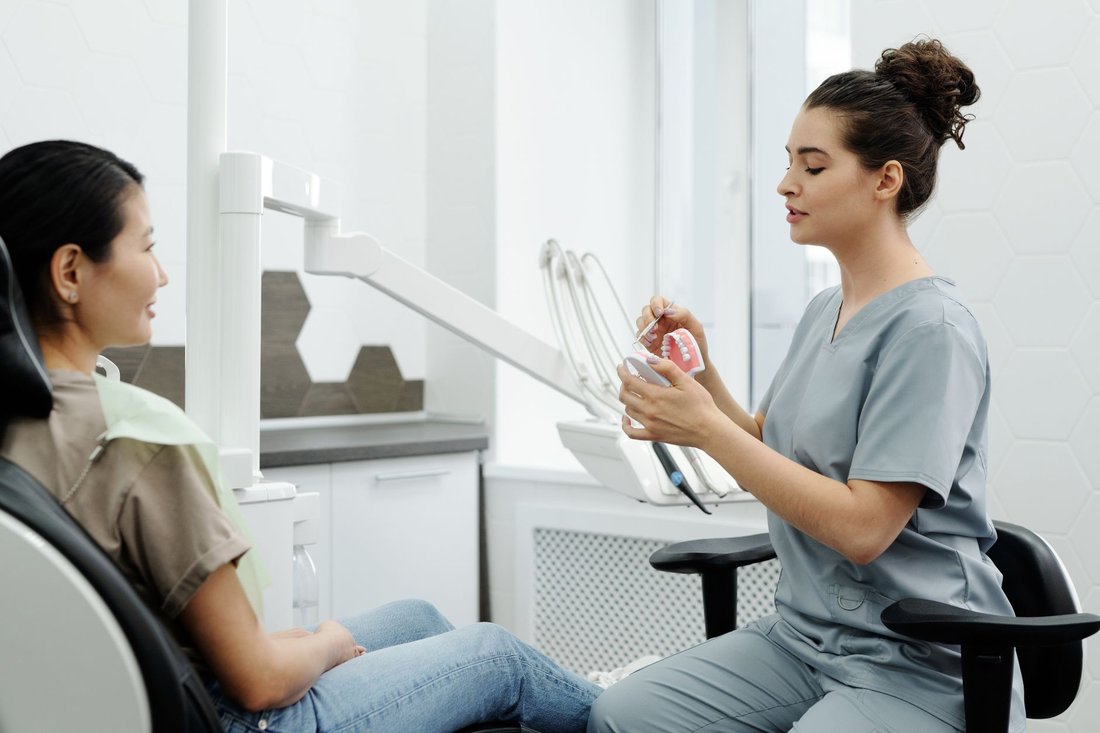
Walk into the busiest dental practice in almost any town and you won't find the newest imaging equipment or the cleverest tagline. You'll find a front desk that answers the phone on the second ring, a wall of recent five-star reviews, and a hygienist who remembers that a patient's daughter just started college. New patient volume in dentistry is rarely won with a big marketing push. It's built one interaction at a time, and most practices are leaving easy wins on the table. If you're researching how to get more customers for dentists, the fastest gains usually come from fixing what's already broken in your existing patient experience before you spend a dollar on ads.
Here's where to put your time and money, in the order that actually moves new patient numbers.
How to Get More Customers for Dentists: Start With What's Already Working
Most practices chase new patients through paid ads while ignoring three channels that cost little or nothing: their Google listing, their existing patient base, and their referral pipeline. Before you sign a contract with a marketing agency, audit these first. A practice that fixes its online presence and starts asking for referrals consistently will often out-produce one that spends heavily on ads but neglects the basics.
Your Google Business Profile Is Your Front Door
When someone searches "dentist near me" or "dentist accepting new patients," your Google Business Profile is often the first and only thing they see before deciding whether to call. Claim it if you haven't, then treat it like a living asset rather than a form you filled out once.
- Keep your hours accurate, especially around holidays. Nothing kills trust faster than a "closed" surprise.
- Upload real photos of your office, your team, and your treatment rooms. Stock photos read as generic and stall the click.
- List your services specifically: cosmetic dentistry, Invisalign, emergency extractions, pediatric care. People search by need, not by "general dentistry."
- Post updates when you add a provider, extend hours, or start accepting a new insurance plan.
Optimizing your Google Business Profile is not a one-time task. Revisit it monthly, because it directly affects whether you show up in the local map pack that most patients tap first.
Reviews Are the New Word of Mouth
Patients no longer ask a neighbor which dentist to see. They read reviews. A practice with forty recent, detailed reviews will beat a practice with three hundred reviews that stopped coming in two years ago. Recency and volume both matter to how Google ranks you and how patients judge you.
Build review collection into your actual workflow instead of hoping happy patients think to leave one. Train front desk staff to ask in person after a good visit, and follow up with a text or email link the same day, while the experience is fresh. Asking every patient for a review should become as routine as scheduling their next cleaning. When a negative review shows up, respond calmly and professionally within a day or two. Prospective patients read how you handle criticism as closely as they read the criticism itself.
Reactivate the Patients You Already Have
Every practice has a list of patients who haven't been in for twelve, eighteen, or twenty-four months. These aren't strangers you need to convince to trust you. They're people who already chose your practice once. Pull that list from your practice management software and run a simple reactivation campaign: a friendly postcard or text reminding them it's time for a checkup, followed by a phone call for anyone who doesn't respond.
This is often the single highest-return activity available to a dental practice, because the cost of reaching a lapsed patient is a fraction of the cost of acquiring someone brand new through advertising. Set a recurring reminder to run this list quarterly rather than treating it as a one-time cleanup project.
Referrals Still Work, But You Have to Ask
Happy patients sometimes refer friends and family without being asked, but you'll get far more referrals if you make asking a habit rather than an accident. Train your team to mention it naturally: "We love new patients like you. If you know anyone looking for a dentist, we'd be glad to take care of them too." Consider a simple referral card patients can hand off, and thank referring patients with a note or a small gesture when someone they sent in books an appointment.
Partner with other local businesses
Pediatricians, orthodontists, med spas, and even gyms interact with the same people you want as patients. A casual referral relationship, where you send patients to each other for complementary services, costs nothing but a conversation and a stack of business cards.
Local SEO and Paid Search: When They're Worth It
Once your Google profile, reviews, and reactivation program are solid, local SEO and paid search become worth the investment. A well-optimized website with service pages for your specific offerings, paired with local search ads targeting people actively searching for a dentist in your area, can bring in patients who are ready to book now rather than someday. Paid search works best when it points to a page that makes booking easy, not just a homepage with a phone number buried at the bottom.
Be honest about budget here. Paid ads without a strong offline foundation of reviews and responsiveness will produce clicks that don't convert, because a searcher who lands on your ad will check your reviews and Google profile before calling anyway.
None of this requires a marketing degree or a large budget. It requires deciding, this week, that someone on your team owns the Google profile, someone owns asking for reviews, and someone owns calling the patients who haven't been back in a year. Practices that treat those jobs as real responsibilities, not afterthoughts, are the ones with full schedules.
Lawsuit or bad press outranking your business?
Knownly publishes truthful, search-optimized content across high-authority sites to push negative results off page one — done for you.
See how Knownly works →