Marketing Ideas for Boutiques
The slow Tuesday afternoons are the real problem boutiques need to solve, and the fix has less to do with luck and more to do with a handful of habits repeated on purpose.
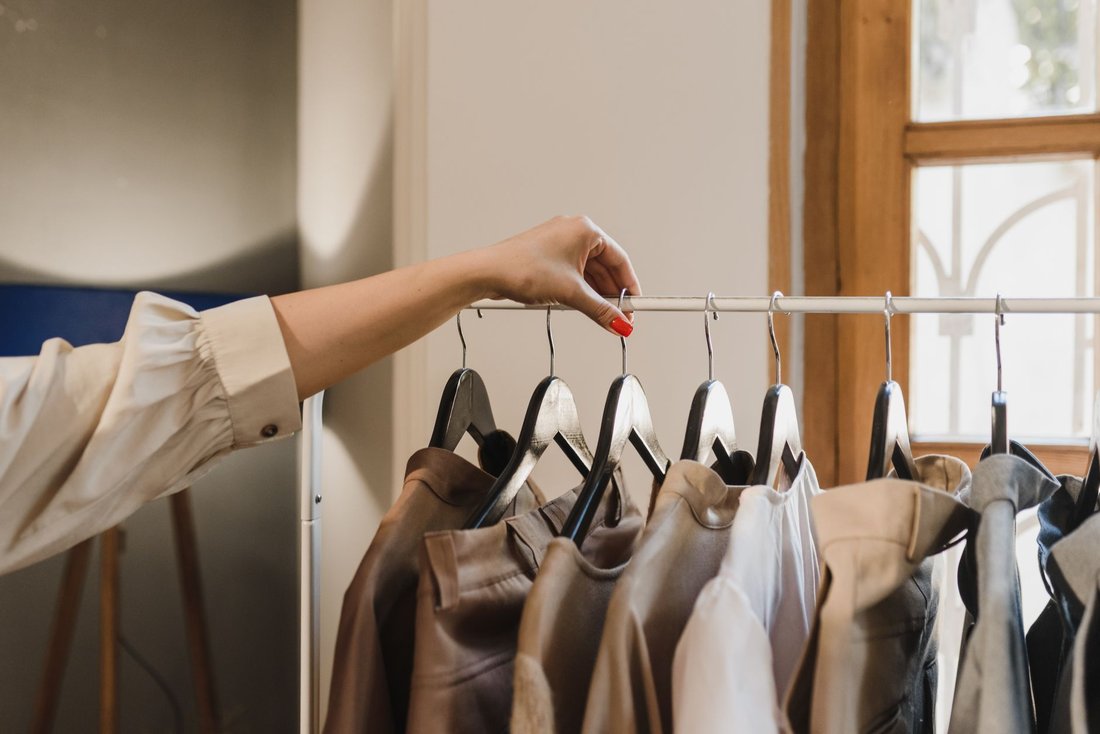
Tuesday at 2 p.m., the register hasn't rung since the lunch crowd thinned out. The window display is dressed perfectly, the new arrivals are steamed and hung by color, and nobody has walked in for an hour. That stretch of quiet is the real texture of running an independent boutique. It isn't the Saturday rush that determines whether the month works, it's what happens in the long gaps between rushes, while a national chain three exits away runs ads around the clock and an online retailer never closes at all. Good marketing ideas for boutiques aren't about one clever campaign. They're about a short list of habits, repeated on a schedule, that keep the shop visible and worth walking into even on the slow days.
The marketing ideas for boutiques that actually pay off start with being findable
Before anything else, check what a stranger sees when they search your shop's name or your category plus your neighborhood. Your Google Business Profile is doing more selling than most owners realize, and it's free. Fill in every field: hours, categories, a phone number that rings a real person, and photos taken this season, not the ones from opening day. Put up a short post each week, even something as small as a new arrival or a note about weekend hours. Reply to every review, the good and the difficult ones, and lean on simple ways to earn more reviews over time, because prospective customers read those replies as a preview of what it's like to shop with you. Local SEO for a boutique also means your website (even a simple one) mentions your city and neighborhood by name in real sentences, not stuffed into a footer. Search engines and shoppers both reward specificity over a generic "quality clothing since" line.
Claim the basics, then keep them current
- Confirm your business appears correctly on Google, Apple Maps, and Yelp, with matching hours and address across all three.
- Add a handful of interior photos that show the shop as it actually looks on a normal Tuesday, not just a styled opening-day shot.
- Ask happy customers, in the moment at checkout, to leave a review while the experience is fresh.
Build a list you actually own
Instagram followers can vanish behind an algorithm change overnight. An email and text list doesn't answer to anyone but you. Start collecting addresses and phone numbers at the register with a simple offer, a small discount on the next visit or early access to a restock, and be upfront about how often you'll message. A retail-focused tool like a Klaviyo-type platform lets you segment by purchase history, so your best customers hear about a trunk show two days before everyone else. An email list that actually sells is worth building slowly and honestly rather than buying or scraping one. One well-timed text about a flash sale on a dead Tuesday afternoon can outperform a week of social posts.
Give people a reason to walk in that week
Trunk shows and in-store events still work because they turn a browsing trip into an occasion. Invite a local designer or a jewelry maker to bring a small collection for an evening, pour some wine, and let regulars bring a friend. Seasonal openings, a first look at holiday inventory or the first weekend of spring dresses, give your list a reason to show up on a specific date rather than "sometime this month." Keep it simple: a date, light refreshments, a small incentive for anyone who brings someone new. The point isn't the party, it's the fifteen minutes a customer spends in the shop trying things on that they'd never have made time for otherwise.
Partner with the businesses next door
- Cross-promote with a neighboring salon, coffee shop, or gift store, since a punch card or joint discount gives customers a reason to visit both.
- Split the cost of a shared sidewalk sale or block event during a slow season rather than running one alone.
- Offer to style a neighboring business's staff for a photo shoot in exchange for a mention to their list.
Show the clothes on real people
Product photos on a rack tell a shopper almost nothing about fit, movement, or how a piece actually looks worn. Short-form video changes that. A thirty-second clip of a staff member trying on three ways to style one blouse, filmed on a phone in the fitting room mirror, does more work than a professional flat-lay. Short-form video doesn't need production value, it needs consistency: post a few times a week, show real bodies in real light, and let customers see themselves in the clothes. Encourage buyers to tag the shop when they post their own outfit photos, then repost with permission. That user-generated content builds trust that paid ads can't buy, because it comes from someone with no reason to exaggerate.
Reward the customers already walking through the door
A loyalty program doesn't need software or a point system nobody understands. A simple punch card, a spend threshold that earns a reward, or early access to new drops for repeat customers all work if the rule is clear and easy to explain out loud. The goal is to make your regulars feel tracked and appreciated, not just tolerated. Pair the program with styling advice: a staff member who remembers a customer's size and taste, and texts a photo when something arrives that fits their style, builds a relationship no discount code can replicate.
Work with people who already have your customer's trust
You don't need a celebrity endorsement. A local micro-influencer, someone with a modest but engaged following in your city, often converts better than a national account with millions of followers who've never set foot in your shop. Invite a few local stylists, teachers, or community figures in for a fitting, gift them a piece, and ask for an honest post in return. Keep the relationship transparent, disclosed, and low-pressure. The value isn't reach, it's credibility with an audience that already lives near your storefront.
Plan around the calendar you already know
Boutiques run on seasons more than most retail. Map your marketing to the windows customers are already thinking about: back-to-school, holiday party season, spring formal, wedding guest dressing. Start each seasonal push two to three weeks before the date it serves, not the week of, so your email list and in-store displays are working together rather than scrambling to catch up.
None of this replaces a good buy or a well-merchandised floor. But the shop that wins the slow Tuesday isn't the one with the biggest ad budget, it's the one that showed up consistently enough, in enough small ways, that a customer thought of it first.
Lawsuit or bad press outranking your business?
Knownly publishes truthful, search-optimized content across high-authority sites to push negative results off page one — done for you.
See how Knownly works →