Marketing Ideas for Auto Shops
Most repair shops win or lose customers before a single wrench turns, based on what people find when they search, ask a neighbor, or remember from last time.
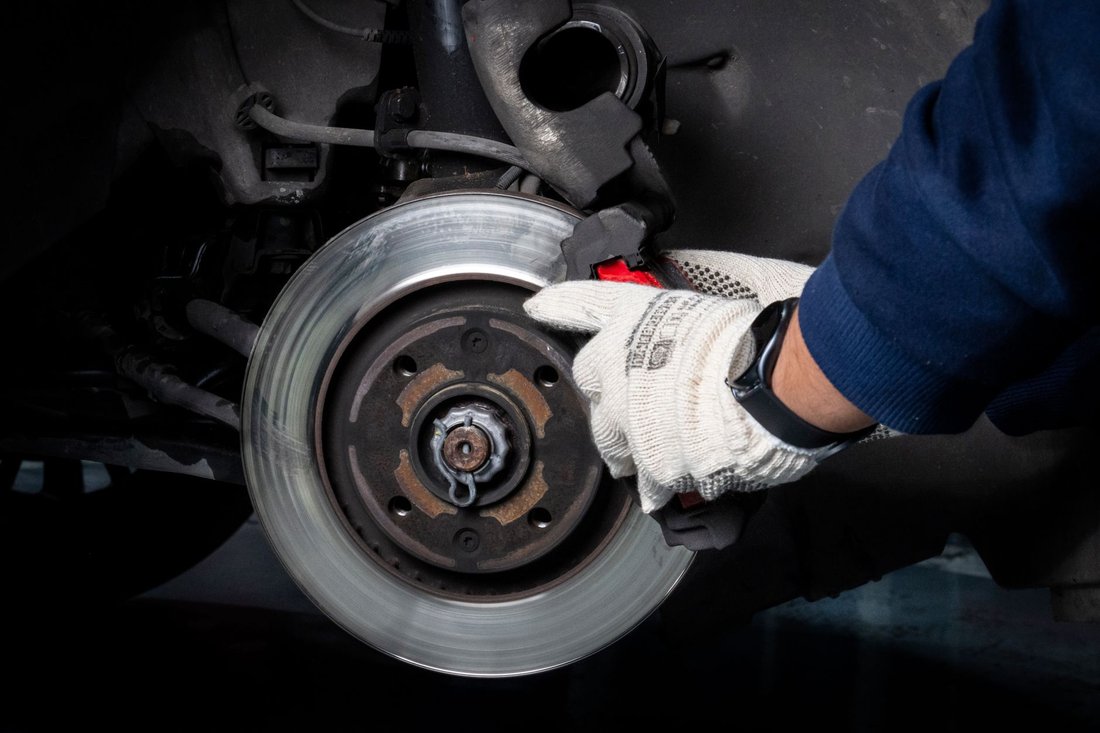
Nobody wakes up excited to spend money on their car. A customer walks in because a dashboard light came on, because a noise got louder on the drive to work, or because an inspection sticker is about to expire. The decision about which shop gets that job is usually made in the ten minutes before they ever pick up the phone, scrolling through search results or asking a coworker who they trust with a timing belt. That's the real terrain for marketing ideas for auto shops: not billboards or jingles, but showing up, looking credible, and being easy to choose at the exact moment someone needs help.
Auto shops have an advantage most local businesses would envy: the work is recurring by nature. Oil changes, tires, brakes, inspections. Every customer who leaves happy is a customer who will need you again in a few months or a few years. The shops that grow aren't necessarily the ones spending the most on advertising. They're the ones that make it hard to forget them and easy to recommend them.
Marketing ideas for auto shops that start before the first visit
A Google Business Profile is the single highest-leverage listing a shop can control, and too many are half-finished. Fill in every field: hours, services offered, payment types, photos of the bay and the waiting area, and a phone number that rings the shop, not a forwarding service. Post updates when something changes: a new technician certification, extended hours before a holiday weekend, a seasonal inspection special. Profiles that get regular activity tend to surface more often when someone nearby searches "brake repair near me" or "mechanic open now." Getting this right is a big part of how a shop can show up in local search without spending anything on ads.
Reviews do the persuading that no ad can. A shop with forty recent, specific reviews beats a shop with four generic ones, even if the second shop has been around twice as long. Ask for the review at the moment satisfaction is highest — when the customer picks up the car and hears it running quiet again, not three days later in a follow-up email that gets ignored. A simple laminated card at the register with a QR code linking straight to the review page removes almost all the friction. Respond to every review, good or bad, in a way that sounds like an actual person who runs the shop, because it does more for managing your reputation online than any polished statement ever will.
Turn one job into the next one
- Send a text or email reminder tied to mileage or time, not a generic newsletter. A line like "Your Civic is due for a 30,000-mile service" gets opened.
- Print the next recommended service date on every receipt, so the reminder lives in the customer's glovebox even if they ignore texts.
- Call two days after a major repair just to check that everything sounds right. It costs five minutes and it is the single easiest way to earn a review or a referral.
Referrals deserve a real structure, not a vague hope that word of mouth happens on its own. A modest credit toward a future oil change or inspection for both the referring customer and the new one costs the shop very little against the cost of any paid ad, and it reaches exactly the kind of person most likely to already trust the recommendation.
Build relationships the algorithm can't touch
Local sponsorships still work when they're chosen deliberately. A youth sports team or a volunteer fire department's fundraiser puts a shop's name in front of the same families over and over, in a context that has nothing to do with being sold to. The payoff isn't a spike in calls the next day. It's that when someone's transmission starts slipping eight months later, the shop's name is the one that feels familiar.
Before-and-after photos are an underused asset sitting in every technician's phone. A rusted brake rotor next to its replacement, or a filthy air filter beside a clean one, does more to justify an estimate and build trust than any amount of explaining. Posted with a plain caption, they also give a shop's social pages something worth looking at besides discount coupons.
Partnerships with adjacent businesses multiply reach without any ad spend. A used car dealer that doesn't do its own mechanical work, or a tow company deciding where to drop a stranded car, becomes a source of steady referrals when the relationship is built on genuine reliability rather than a one-time favor. Drop off a card, follow through on the first few jobs without cutting corners, and the referrals tend to keep coming without needing to ask again.
Make the shop itself the advertisement
A clean, well-lit waiting area with real coffee and honest wait-time estimates says more about a shop's standards than any tagline. So does a technician who explains what's actually wrong in plain language instead of a wall of jargon and a scary total. Customers can't judge torque specs, but they can judge whether they were treated with respect and told the truth. That judgment is what gets repeated to a neighbor.
None of this requires a marketing budget most shops don't have. It requires deciding that every interaction, from the profile online and the receipt in hand to the follow-up call and the sponsorship banner at a Little League field, is also a chance to be remembered correctly. Shops that treat those small moments as marketing, rather than afterthoughts, tend to find that the next customer already made up their mind before they called.
Lawsuit or bad press outranking your business?
Knownly publishes truthful, search-optimized content across high-authority sites to push negative results off page one — done for you.
See how Knownly works →